


Battersea Power Station has submitted a planning application to evolve the masterplan for the remaining 16 acres of its 42-acre riverside site, a scheme that matters to building and architecture professionals because it tests how far a decade-old approved masterplan can be reworked mid-programme to reflect post-pandemic shifts in how people live and work. The remaining phases propose up to 3.2 million sq ft of residential, commercial, leisure and cultural space.
Battersea Power Station is delivered by Battersea Power Station Development Company on behalf of Battersea Project Holding Company, the consortium that has restored the Grade II* listed former power station since 2012.
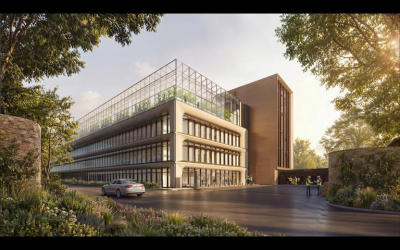
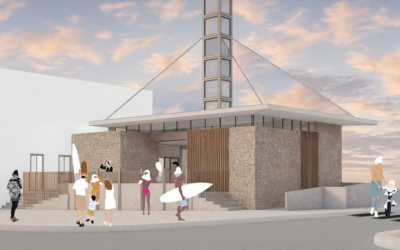
Studio Egret West, a London-based masterplanning and urban design practice, has refreshed Rafael Viñoly's original masterplan, now more than 15 years old, dividing the remaining phases into smaller building clusters with a finer street network.
Phase 5A already has detailed permission for 200 council homes delivered with Wandsworth Council, while construction has begun separately on Prospect Place South, two Gehry Partners-designed buildings forming Frank Gehry's first UK residential scheme.
The structural driver is the sheer duration of London's largest brownfield megaprojects, which now routinely outlive the urban assumptions their original masterplans were built on, forcing owners to commission a full refresh rather than proceed phase by phase on a pre-Covid design.
For the sector, the timing matters because the site has already delivered more than 2,200 homes and roughly 800,000 sq ft of offices since the Northern Line Extension opened five years ago, giving the developer occupancy data to justify a materially different approach for the remaining acreage.
Running Studio Egret West's masterplan revision alongside live construction on Gehry Partners' Prospect Place South shows the site operating multiple architect relationships simultaneously across different phases, a model other multi-decade UK megaprojects are likely to adopt as they too outlast any single master architect's original vision.
The broader implication for the sector is that architects and contractors bidding for legacy phases of long-running masterplans should expect commissioning briefs to be rewritten well after outline consent, rather than treat an original masterplan as fixed for the life of a project.
Source: e-architect / Battersea Power Station






.png)