

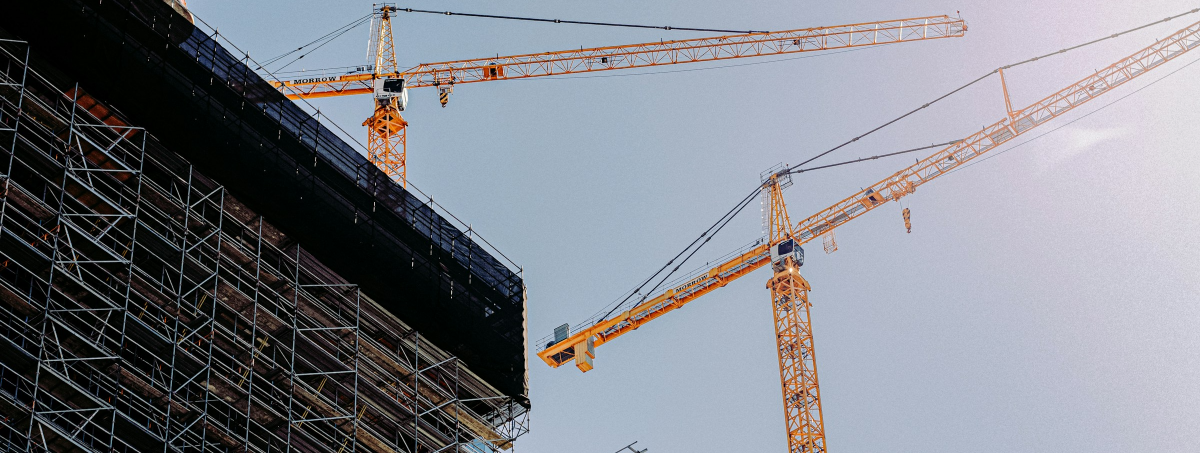
Ireland's construction sector ended the second quarter on a weak footing, but the underlying picture is more nuanced than the headline suggests. The AIB Ireland Construction PMI for June 2026 fell to 45.4 from 50.2 in May, the sharpest monthly fall since September 2025 and the second contraction in three months. All three sub-sectors registered falls, with new orders declining at their fastest pace since August 2023. AIB senior economist John Fahey attributed the weakness to sharply rising prices deterring clients from committing to new projects, a cost-driven pause rather than a structural retreat from the built environment.
The cost pressure is real but the confidence signal matters more for forward planning. Business optimism improved for the second consecutive month, with firms citing expected improvements in demand for housing work and public sector infrastructure activity. Employment continued to rise, extending eight consecutive months of job creation. For leaders in residential architecture and commercial design, these are not the characteristics of a contracting market; they are those of one pausing before recovery.
The residential sector contracted for the third consecutive month, with the housing index falling to 40.4, the steepest decline in nearly four years. The cause is cost-driven: builders linked the slowdown to higher oil and raw material costs from the Middle East conflict. Civil engineering recorded its 14th consecutive contraction at 42.7, though the CIF's Paul Sheridan expects a shift as the State tenders water, grid, roads, and public housing projects. Commercial construction slipped to 46, remaining the least-weak sub-sector.
The current environment rewards preparation. Sustainable architecture and energy-efficient design offer the clearest near-term pipeline signals: across both the AIB survey and the S&P Global UK PMI, energy markets and green infrastructure have consistently registered positive sentiment. Firms that pursue architectural excellence in low-carbon design will be best placed to capture the public and residential programmes that AIB's improving confidence indicators point to over the coming year.
Three boardroom priorities follow. First, use the current period to advance pre-contract design and planning so pipelines are ready when client cost confidence recovers. Second, engage with the CIF's public infrastructure advocacy and position early for State-tendered civil engineering projects in water, transport, and energy. Third, strengthen procurement strategies to mitigate materials cost volatility that is suppressing new order conversion.
June's AIB PMI is a snapshot of cost pressure, not structural decline. Employment is rising, confidence is improving, and the public investment pipeline is expanding. Ireland's housing deficit and infrastructure needs have not diminished; they remain the most durable demand anchors in the Irish construction market. For building and architecture leaders, the question is not whether demand will return but whether their firms are well positioned to capture it.
(The views expressed by the writer are his/her own and do not necessarily reflect the views or positions of BusinessRiver.)





.png)